The Ultimate Guide to Shenandoah National Park: What to Do, Where to Stay
By Morry Kamara · · Updated · 7 min read · travel guides
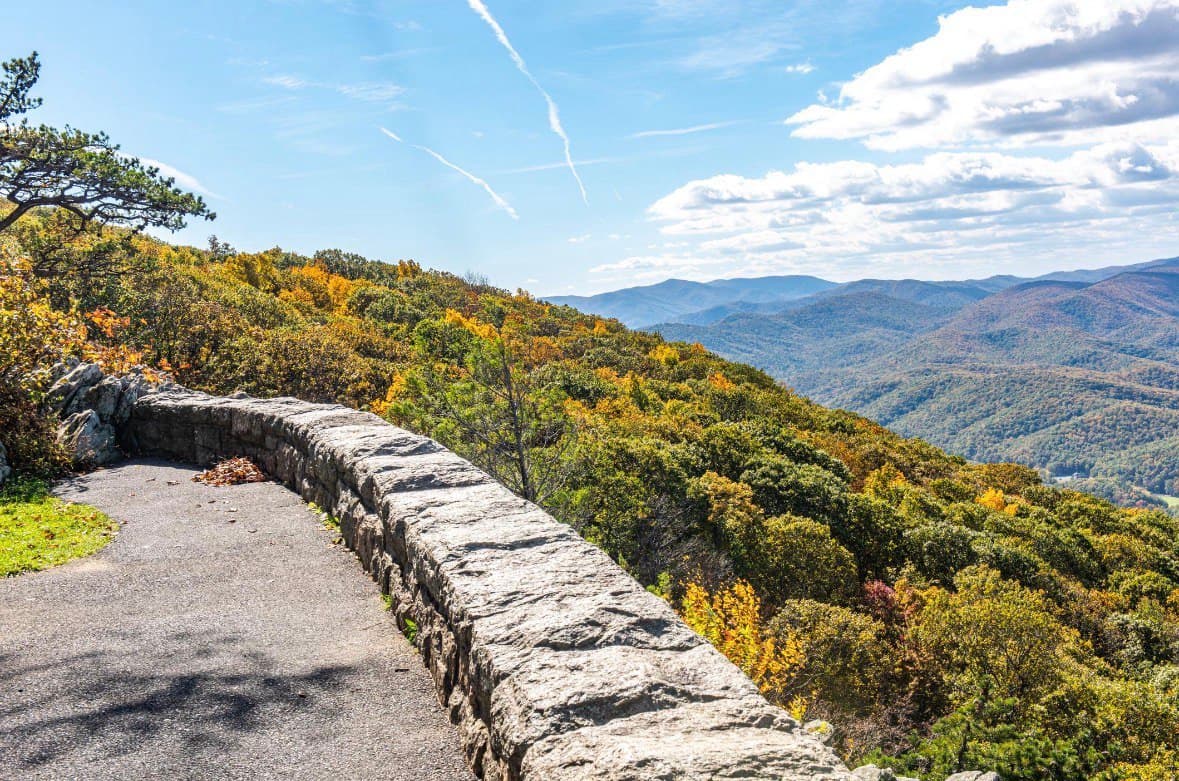
Shenandoah National Park protects more than 200,000 acres of the Blue Ridge, about 75 miles from Washington, D.C., with around 500 miles of trail and the 105 miles of Skyline Drive running along the crest (National Park Service). Our cabins sit outside Luray, 15 minutes from the park's Thornton Gap entrance, so this is the park as we use it: the entrances, the rules that catch people out, and the walks worth the drive.
Every trail figure below comes from the park's own pages, linked where it appears. Conditions change, so check the park's alerts before you set out.
Getting In: Entrances, Fees and the Rules That Matter
Skyline Drive has four entrances (NPS):
-
Front Royal (north end): mile 0
-
Thornton Gap (US 211): mile 31.5, about 15 minutes from our cabins and the one Luray visitors use
-
Swift Run Gap (US 33): mile 65.5
-
Rockfish Gap (south end, near Waynesboro): mile 104.6
-
Entrance fee: $30 per private vehicle, for unlimited entry over seven consecutive days (NPS fees). A Shenandoah annual pass is $55. Payment is by card only.
-
Speed: 35 mph in most places. The park says the whole drive takes about three hours on a clear day, so distances take longer than the map suggests.
-
Old Rag needs a second ticket. From March through November you need an Old Rag day-use ticket, booked in advance on Recreation.gov, as well as the entrance pass.
-
Winter: sections of Skyline Drive close in ice and snow, sometimes at short notice. Winter plans need a fallback.
When to Visit
Spring (March–May). Waterfalls run at their fullest and the wildflowers come up, though the trails are at their wettest. Pack a rain layer.
Summer (June–August). The busiest months for day trips. Start hikes early for cooler air and emptier car parks. The ridge usually runs cooler than the valley floor.
Fall (September–November). The reason people book a year out. Peak colour is usually mid-to-late October, but it moves with the year. Weekend traffic on Skyline Drive at peak is heavy: go at sunrise and you'll have the overlooks to yourself.
Winter (December–February). The quietest season. Some park facilities close for the season and the Drive can shut in ice, so check the NPS winter page before you drive up. Microspikes help on icy trails.
The Hikes Worth Doing
Easy
Limberlost Trail (1.3-mile circuit). The only trail in the park that meets federal accessibility guidelines, on a gentle, hard-packed path through mountain laurel, oaks and ferns (NPS). Good with a stroller or wheelchair, and with anyone who wants the forest without the climb.
Stony Man (1.6 miles round trip, 340 ft of climb). The best view per step in the park, and the one to do if you only do one. The NPS grades it "Easiest", and it starts at mile 41.7, about 35 minutes from the cabins (NPS).
Traces Trail (1.7-mile circuit). A quiet loop from the Mathews Arm campground (mile 22.2) past the traces left by the families who lived here before the park (NPS). It's north of Thornton Gap, so it's a longer drive from Luray.
Moderate
Hawksbill Summit (1.7 miles round trip, 690 ft of climb). The highest point in the park at 4,051 feet, with an observation platform at the top. It's short but properly steep, and starts at mile 45.5 (NPS).
Dark Hollow Falls (1.4-mile circuit, 440 ft of climb). A 70-foot cascade at the bottom of a short, steep, rocky descent from mile 50.7 (NPS). The walk back up is the hike. Dogs are not allowed on this trail. It's one of the busiest in the park, so go early or late.
Rapidan Camp (4 miles round trip, 870 ft of climb). President Hoover's summer retreat, down from the Milam Gap parking area at mile 52.8 (NPS).
Jones Run Falls (3.2 miles round trip, about 1,045 ft of climb). A 42-foot waterfall on a quieter trail, well to the south at mile 84.1 (NPS). It makes a full day out from Luray.
Strenuous
Old Rag (9.4-mile circuit, 2,348 ft of climb, around 7½ hours). Virginia's most famous hike, with a real rock scramble near the top that needs upper-body strength and a head for exposure (NPS). It's reached from outside the park, about an hour from the cabins over Thornton Gap and through Sperryville. Remember the day-use ticket.
Cedar Run–Whiteoak Canyon circuit (about 8.5 miles). Two waterfall canyons joined into a loop from the Hawksbill Gap parking area (mile 45.6). The old link trail between them is permanently closed, which makes the loop longer than older guides say (NPS).
Skyline Drive: Stops Near Luray
From Thornton Gap, heading south:
- Marys Rock Tunnel (mile 32.2). A 670-foot tunnel bored through the granite of Marys Rock in 1932, just past the Thornton Gap entrance. Clearance is 12 ft 8 in, so check before you drive a tall RV through (NPS).
- Skyland (miles 41.7–42.5). The park's historic resort, the Stony Man trailhead, and guided horseback rides in season.
- Hawksbill Gap (mile 45.6) for Hawksbill Summit and the Cedar Run–Whiteoak circuit.
- Big Meadows (around mile 51). The park's large open meadow, with a lodge, a visitor centre and Dark Hollow Falls nearby. It's one of the best places to see deer at dusk.
- Bearfence (mile 56.4). A short loop with a real rock scramble to a 360-degree view. Skip it if anyone in the group is unsteady (NPS).
Wildlife
White-tailed deer are common along the Drive, especially at dawn and dusk. The park also has a healthy black bear population. Park regulations require you to stay at least 150 feet (50 yards) from a bear (NPS bear safety), never feed one, and store food properly. Drive slowly at dusk: deer step out without warning.
Big Meadows is the best open-country spot for wildlife and birds. Bring binoculars.
Where to Stay
Inside the park
Skyland and Big Meadows Lodge are the park's two lodges, both on Skyline Drive and both seasonal. They put you on the ridge at sunrise, and they book up early for October. Check the park concessioner's site for dates and rates.
Outside the park, near Luray
Luray is the closest town to Thornton Gap, with the caverns, a walkable downtown and the South Fork of the Shenandoah River all within about ten minutes. Our guide to cabins near Shenandoah National Park covers the entrances, drive times and seasons from Luray. Travelling with a dog? Every cabin takes up to two; the pet-friendly guide has the details.
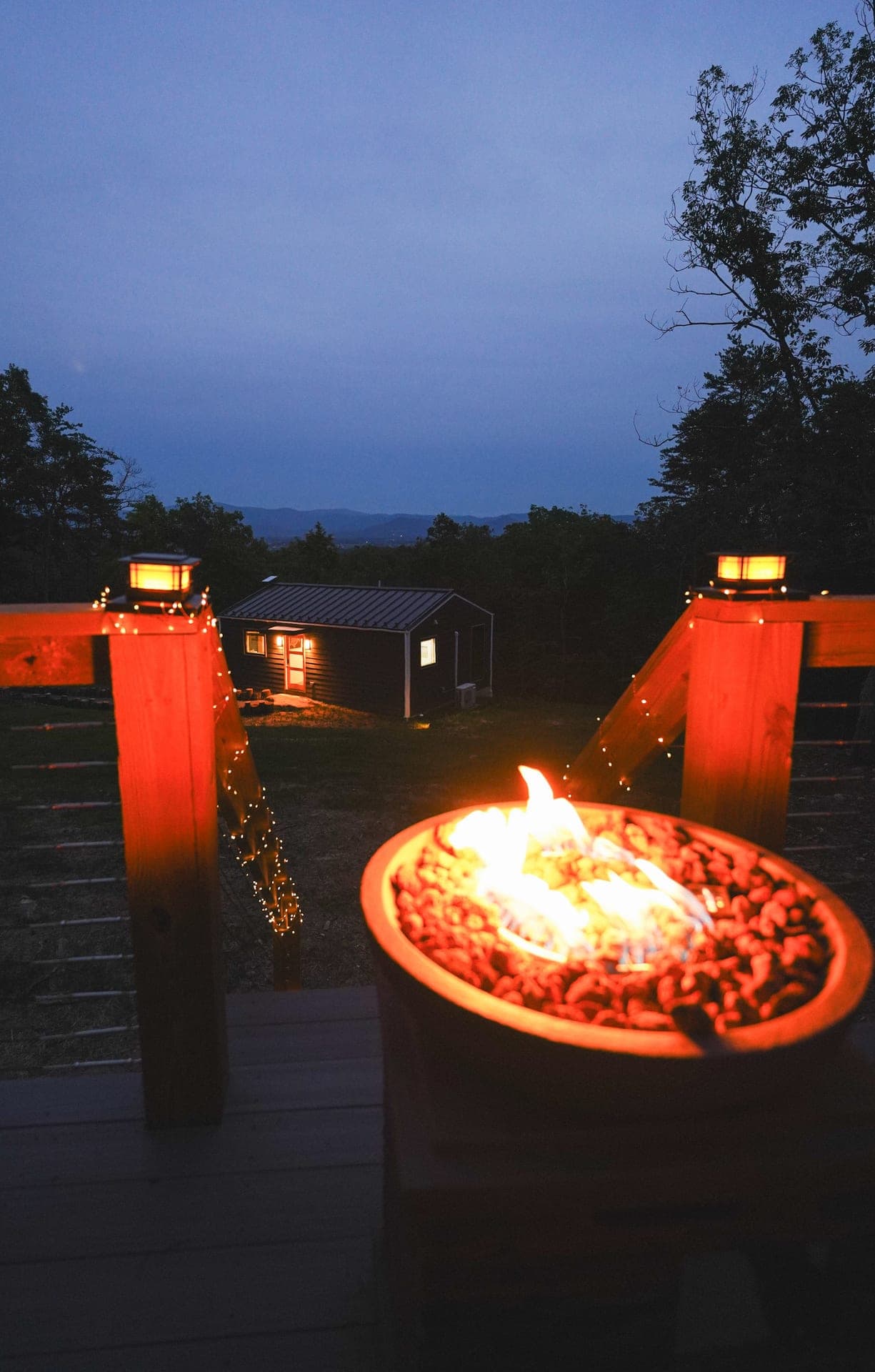
Kamara Cabins are ours: three cabins outside Luray, 15 minutes from Thornton Gap.
- The Turtle sleeps 2: a king bed facing a 7 × 6 ft forest window, a private hot tub and a stargazing deck.
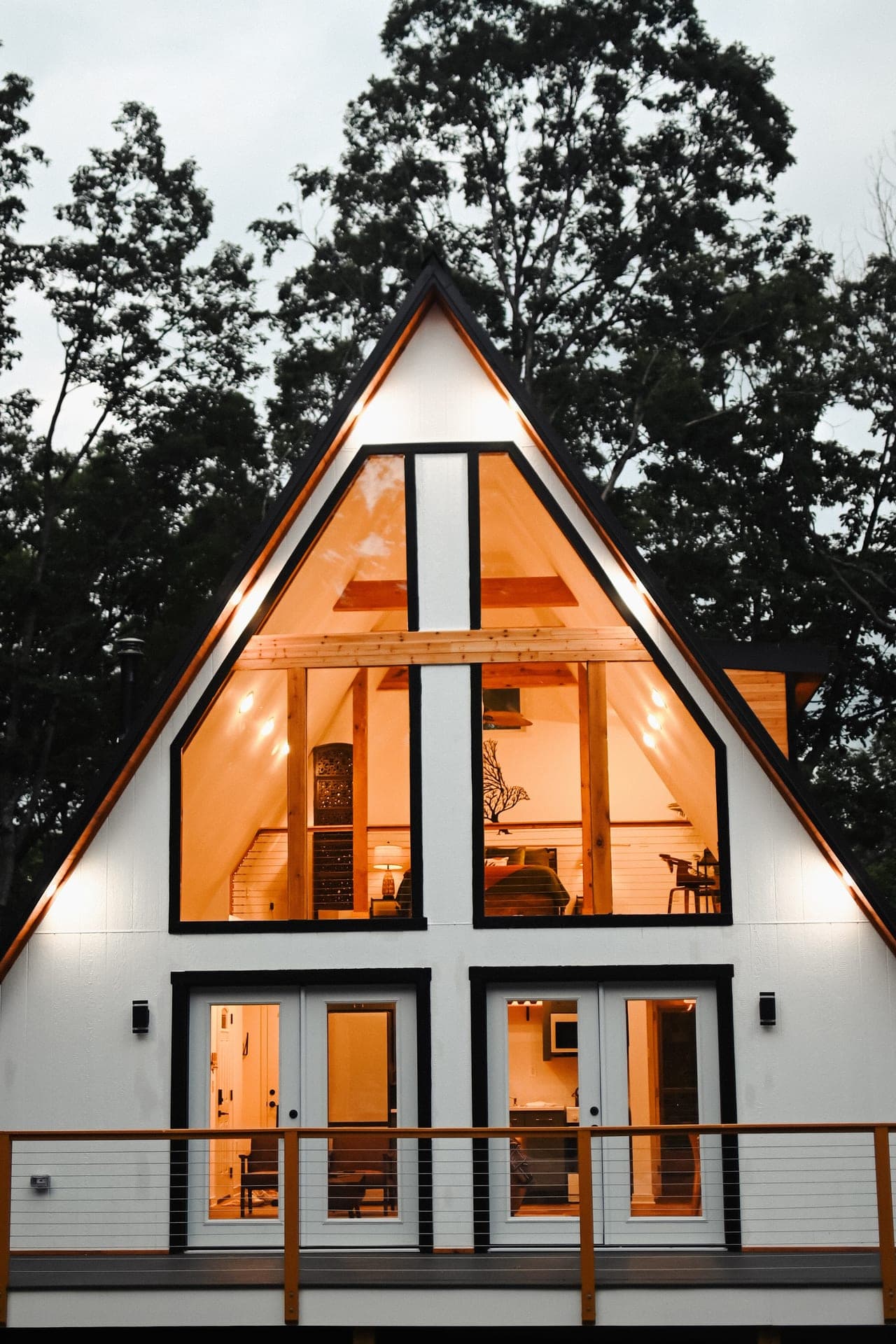
- The Sparrow sleeps 4: a two-bedroom A-frame with a wood stove, a five-person hot tub and a stone fire pit out front.
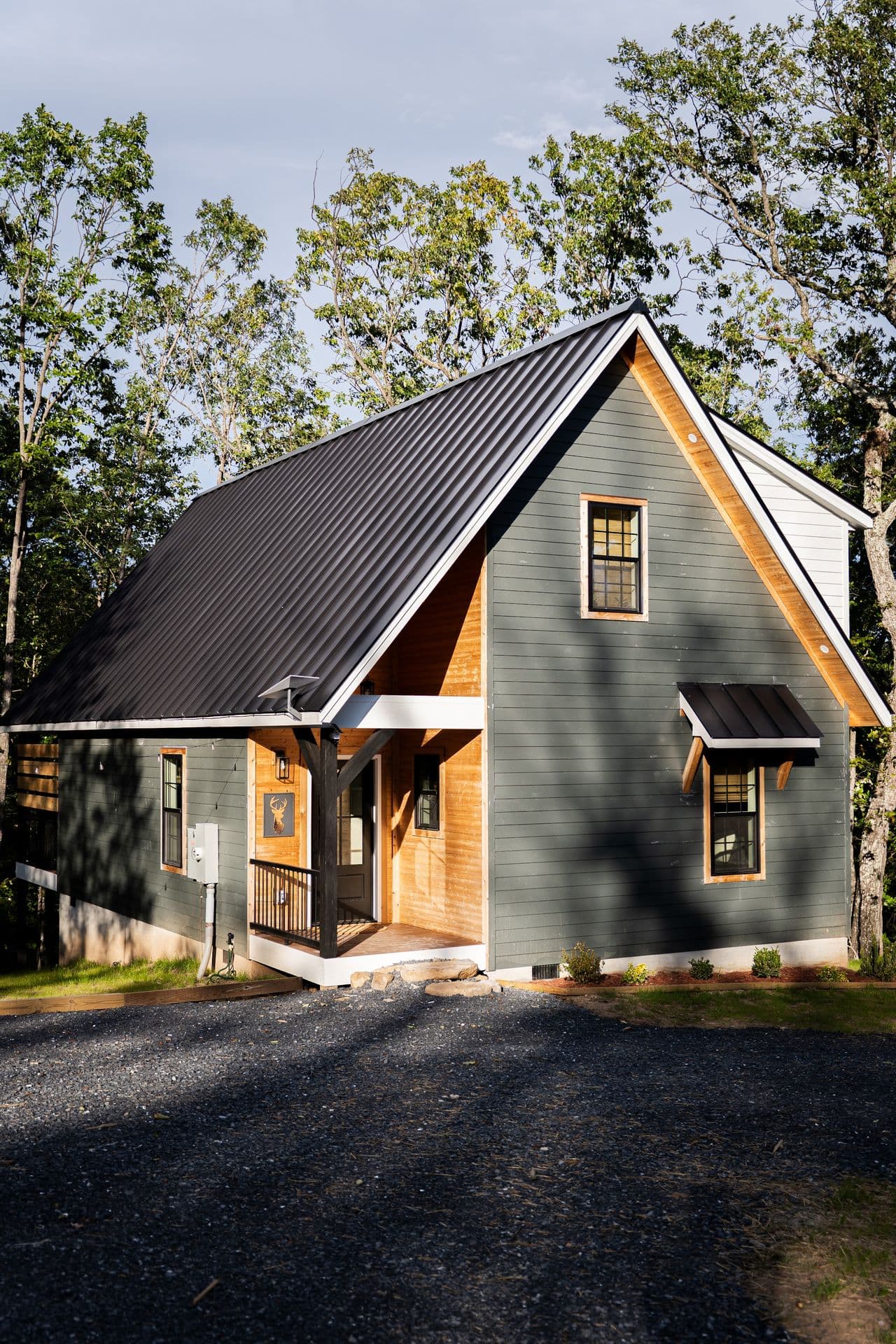
- The Stag sleeps 6: two bedrooms, a game loft with an arcade and air hockey, and a six-person hot tub on a covered deck.
- All three have Starlink internet (around 180 Mbps) and a PS5, and were designed and built by a veteran who now holds a Virginia Class A contractor licence.
Beyond the Park: Luray
Luray Caverns is ten minutes from our cabins, with the Great Stalacpipe Organ that plays the formations themselves. One ticket also covers the Car & Carriage Caravan Museum, Shenandoah Heritage Village and Toy Town Junction. See cabins near Luray Caverns for the details.
The river. Shenandoah River Outfitters, ten minutes from the cabins, rents canoes, kayaks and tubes for trips of roughly 3 to 11 miles on the South Fork, shuttle included. We have no arrangement with them.
Downtown Luray is ten minutes away. Triple Crown BBQ is good for lunch and Circa '31 at the Mimslyn Inn for a dressed-up dinner. Our Luray guide has more.
A Two-Day Weekend from Luray
Day 1
- Morning: in at Thornton Gap early, through Marys Rock Tunnel, and on to Stony Man at Skyland
- Midday: Hawksbill Summit, the highest point in the park
- Afternoon: back down to Luray, and the hot tub
Day 2
- Morning: Dark Hollow Falls before the crowds, and deer at Big Meadows
- Afternoon: Luray Caverns
- Evening: dinner in downtown Luray
With a third day, add Old Rag (book the ticket first) or a float on the river.
What to Pack
- Shoes with real grip: the park's trails are rocky
- Water (more than you think) and snacks, since there are few places to buy food on the Drive
- A rain layer and a warm layer, because the ridge is often cooler than the valley
- A paper map or downloaded trail maps: phone signal in the park is patchy
- Binoculars for Big Meadows
Your Shenandoah Base
The park is best in early starts and long evenings, and both are easier when you're staying 15 minutes from the gate. We built The Sparrow, The Turtle and The Stag to be somewhere good to come back to after a day on the ridge.
Ready to book your cabin?
Three cabins, ten minutes from Luray and the park.